Decoding the Heavy Snow Warning: What It Means for You
When weather services issue a Heavy Snow Warning, it's more than just a forecast for flurries; it's an urgent alert signifying a substantial threat from impending or ongoing heavy snowfall. These warnings are official statements designed to prompt immediate public action, preparing communities for conditions that can significantly endanger life, property, and transportation networks. From the National Weather Service (NWS) in the United States to the Met Office in the UK and Environment Canada, meteorological agencies worldwide utilize these alerts to signal potentially paralyzing winter conditions.
The criteria for triggering a heavy snow warning vary geographically, reflecting local climatology and infrastructure resilience. In the U.S., the NWS typically issues a warning when snowfall accumulations are expected to reach or exceed a local threshold, often ranging from 4 to 12 inches (10 to 30 cm) over a 48-hour storm event. These thresholds have been refined to focus on total event snowfall rather than strict hourly rates, providing a clearer picture of the overall impact. Across the Atlantic, the Met Office might issue an Amber alert for areas like Scotland and northern England, predicting significant accumulations that could lead to widespread disruption, such as the UK Heavy Snow Warning: Met Office Amber Alert & Travel Disruptions. Similarly, Environment Canada's snowfall warnings are activated for accumulations of 15 cm (6 inches) or more within 12 hours. For a deeper dive into how different meteorological agencies define these alerts and their varying criteria, read our article on Understanding Heavy Snow Warnings: Criteria, Risks & Global Alerts.
The primary purpose of such a warning is to encourage comprehensive preparation and safety measures. It signals the potential for reduced visibility, hazardous driving conditions, power outages, and even structural stress on buildings due to the sheer weight of snow. Heeding these warnings isn't about fear; it's about informed action to mitigate risks and ensure personal and community safety.
Navigating Travel Hazards During a Heavy Snow Warning
One of the most immediate and widespread impacts of a Heavy Snow Warning is the severe disruption to travel. Forecasters and officials frequently urge residents to "delay all travel" or "avoid unnecessary travel" – advice that should be taken very seriously. The dangers on the road extend far beyond just slippery surfaces.
Driving in Heavy Snow: Risks and Precautions
- Reduced Visibility: Heavy snowfall, especially when accompanied by wind, can quickly lead to whiteout conditions, reducing visibility to less than a quarter-mile. This makes it incredibly difficult to see other vehicles, road signs, or even the road itself.
- Icy and Impassable Roads: Fresh snow often covers a layer of ice, creating extremely treacherous driving conditions. Deep snow accumulation can make roads impassable, trapping vehicles and making rescue difficult.
- Public Transport Disruption: Buses, trains, and even air travel can face significant delays, cancellations, or complete suspension. Always check with your public transport provider for the latest updates before attempting to travel.
Essential Vehicle and Driving Safety Tips
If travel is absolutely unavoidable during a Heavy Snow Warning, meticulous preparation is key:
- Vehicle Check-Up: Ensure your tires have adequate tread and are properly inflated. Top off all fluids, including antifreeze and windshield washer fluid. Make sure your battery is in good condition.
- Full Fuel Tank: Keep your fuel tank at least half full to prevent fuel lines from freezing and to provide warmth if you become stranded.
- Emergency Car Kit: Assemble a comprehensive kit including:
- Blankets or sleeping bags for warmth
- A shovel and sand or kitty litter for traction
- Jumper cables, a tow rope, and a basic tool kit
- First-aid kit and any necessary medications
- Non-perishable food, water, and a can opener
- Flashlight with extra batteries, an external phone charger
- Flares or reflective triangles
- Drive Defensively: Drive slowly and deliberately. Increase your following distance significantly – at least 8-10 seconds. Avoid sudden acceleration, braking, or steering maneuvers. Be gentle with all controls.
- Inform Others: If you must travel, let someone know your route, destination, and estimated time of arrival.
Pedestrian Safety
Even walking can be hazardous. Wear sturdy, waterproof, non-slip footwear. Be aware of hidden ice under fresh snow and watch for falling snow or ice from roofs and trees.
Protecting Your Home & Power Supply Amidst Heavy Snow
Beyond travel, a Heavy Snow Warning brings with it a significant risk of power outages and potential damage to homes. The weight of heavy, wet snow can bring down power lines, and icy conditions can add further strain to infrastructure. Preparing your home is as crucial as preparing for travel.
Preparing for Power Outages
Loss of electricity can mean no heat, light, or communication. Plan for at least 72 hours without power:
- Emergency Supplies:
- Lighting: Stock up on flashlights, lanterns, and plenty of fresh batteries. Avoid using candles as they pose a fire risk.
- Communication: Keep cell phones fully charged. Have a portable, battery-powered radio to access local news and weather updates. Consider a power bank for recharging devices.
- Food & Water: Have a supply of non-perishable food that doesn't require cooking, and at least one gallon of water per person per day for drinking and basic hygiene.
- Warmth: Gather extra blankets, sleeping bags, and warm clothing. If you have a fireplace or wood stove, ensure you have a supply of dry wood and that the chimney is clean. Never use charcoal grills, propane heaters, or generators indoors due to the risk of carbon monoxide poisoning.
- First-Aid: A fully stocked first-aid kit and a supply of any prescription medications are essential.
- Generator Safety: If you use a generator, operate it outdoors in a well-ventilated area, away from windows and doors, to prevent carbon monoxide accumulation.
- Insulate Pipes: Prevent pipes from freezing and bursting by insulating them, especially those in unheated areas. In very cold temperatures, allowing a slow drip from faucets can also help.
Mitigating Structural Risks
The sheer weight of heavy snow can pose a threat to your home's structure:
- Roof Loads: Particularly heavy, wet snow can accumulate on roofs, leading to potential collapse, especially on flat roofs or older structures. If you are concerned about snow load, consider safely removing it with a roof rake, but prioritize personal safety. If you have any doubts, consult a professional.
- Clear Vents and Exits: Ensure that snow doesn't block exhaust vents for furnaces, water heaters, or clothes dryers, as this can lead to carbon monoxide buildup. Keep pathways and emergency exits clear of snow.
- Protect Outdoor Plants: Cover sensitive plants and shrubs to protect them from heavy snow and extreme cold.
Staying Informed & Acting Responsibly
The most powerful tool in mitigating the risks of a Heavy Snow Warning is timely and accurate information, coupled with responsible community action. Staying connected to official sources ensures you have the latest updates and can react appropriately.
Monitoring Official Updates
Reliable information is paramount during severe weather. Consistently monitor:
- Local News Channels: These often provide localized updates on road closures, power outages, and emergency services.
- Official Weather Websites and Apps: Directly consult the websites of your national weather service (e.g., Met Office, NWS, Environment Canada) or reputable weather apps for the most current warnings and forecasts.
- Social Media: Follow official emergency management agencies and local government accounts for real-time alerts.
Community and Personal Responsibility
- Check on Vulnerable Neighbors: Elderly or disabled individuals, or those living alone, may need extra assistance during a snow event. A quick phone call or a safe, socially distanced check-in can make a huge difference.
- Pet Safety: Bring pets indoors during heavy snow and extreme cold. Ensure they have adequate food and water, and a warm, dry place to rest.
- Report Outages and Hazards: If you experience a power outage, report it to your utility company. If you spot downed power lines or other serious hazards, report them immediately to emergency services. Do not approach downed lines.
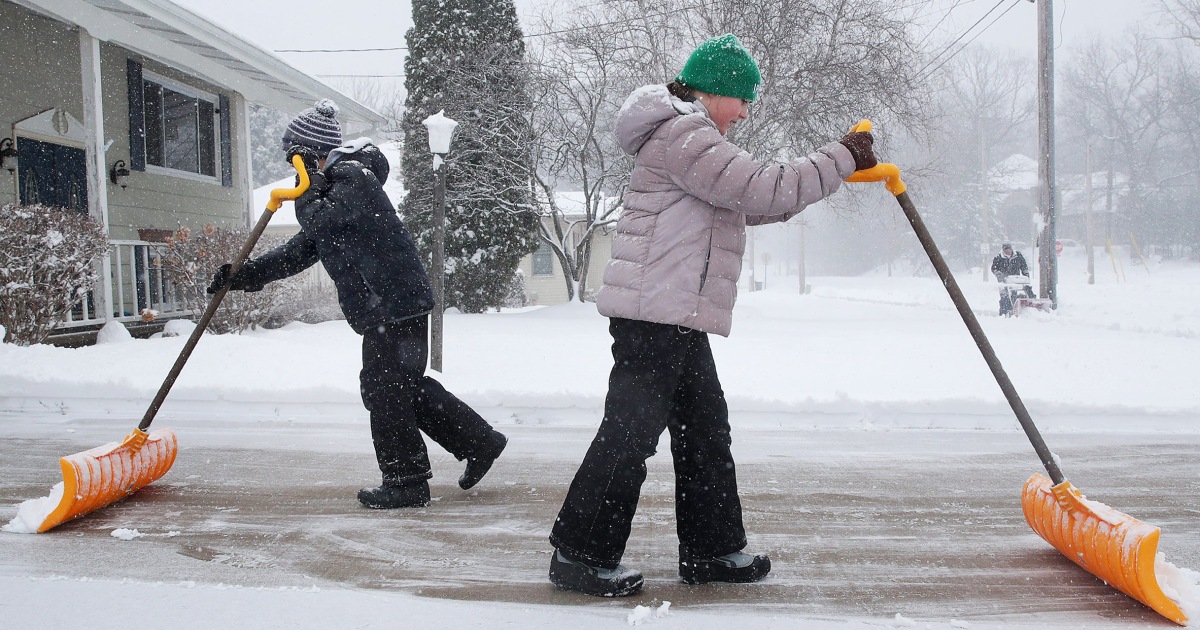
- Clear Your Property Responsibly: While it's important to clear snow from your driveway and walkways, do so safely. Avoid overexertion and take frequent breaks. Consider clearing a path to your nearest fire hydrant if it's on your property to assist emergency services.
Conclusion
A Heavy Snow Warning is a serious advisory that demands attention and preparation. By understanding the risks associated with significant snowfall – from treacherous travel conditions and potential power outages to structural integrity concerns – you can take proactive steps to safeguard yourself, your loved ones, and your property. Prioritizing safety over convenience, staying informed through official channels, and preparing your home and vehicle with essential supplies are all critical components of navigating these challenging winter events. Remember, preparation isn't about fearing the worst; it's about being ready for anything, ensuring resilience and peace of mind when the snow begins to fall.