Understanding Heavy Snow Warnings: Criteria, Risks & Global Alerts
As winter's grip tightens, few weather phenomena command as much attention and respect as significant snowfall. A Heavy Snow Warning is more than just a forecast of flakes; it's an urgent call to action, an official alert issued by national weather services worldwide to prepare the public for severe conditions that can disrupt daily life, imperil property, and even threaten lives. These warnings signify that snowfall is expected to be not just picturesque, but impactful, often transforming familiar landscapes into challenging environments. Understanding what triggers these alerts, the risks they highlight, and how different nations communicate them is crucial for effective preparation and safety.
What Constitutes a Heavy Snow Warning? Defining the Criteria
The issuance of a Heavy Snow Warning is not arbitrary; it's based on specific, regionally tailored meteorological criteria. These thresholds are meticulously set by national weather agencies to ensure that alerts are timely, relevant, and accurately reflect the potential impact on local populations and infrastructure. While the core purpose remains consistent globally – to warn of hazardous snowfall – the exact metrics can vary significantly.
In the United States, the National Weather Service (NWS) typically issues a Heavy Snow Warning when expected total snowfall accumulations meet or exceed local criteria, which generally range from 4 to 12 inches (approximately 10 to 30 cm) over an event period of up to 48 hours. This approach, refined in recent years, focuses on the overall impact of the storm rather than strict time-based accumulation rates. The NWS emphasizes that these criteria are dynamic, adjusting for various factors like terrain, local climatology, and the population's general preparedness for snow. For instance, a 6-inch snowfall might be a significant event in an area unaccustomed to heavy snow, while a region like the Rocky Mountains might require 12 inches or more to trigger a similar alert.
Across the border, Environment Canada has its own specific criteria, often issuing snowfall warnings for expected accumulations of 15 cm (about 6 inches) or more within a 12-hour period. This shorter timeframe reflects different geographical considerations and potentially faster-moving weather systems. Similarly, in the United Kingdom, while the Met Office doesn't use the exact "Heavy Snow Warning" terminology, it issues Amber Alerts for significant snowfall, which can trigger when accumulations of 20 cm (nearly 8 inches) are possible, particularly on higher ground. These alerts, as seen in recent forecasts for Scotland and parts of northern England, serve the same critical function of informing the public about impending severe conditions.
It's also important to distinguish a Heavy Snow Warning from a Winter Storm Warning. While both indicate hazardous conditions, a Winter Storm Warning often encompasses a broader range of wintry precipitation types, including heavy snow, significant ice accumulations, freezing rain, or sleet, often in combination. A Heavy Snow Warning, conversely, typically focuses primarily on the volume of expected snowfall.
The Far-Reaching Risks of Heavy Snowfall
When a Heavy Snow Warning is issued, it's not merely about the inconvenience of snow; it's about the very real and diverse dangers posed by significant accumulation. These risks can quickly escalate, impacting safety, infrastructure, and daily life on a large scale.
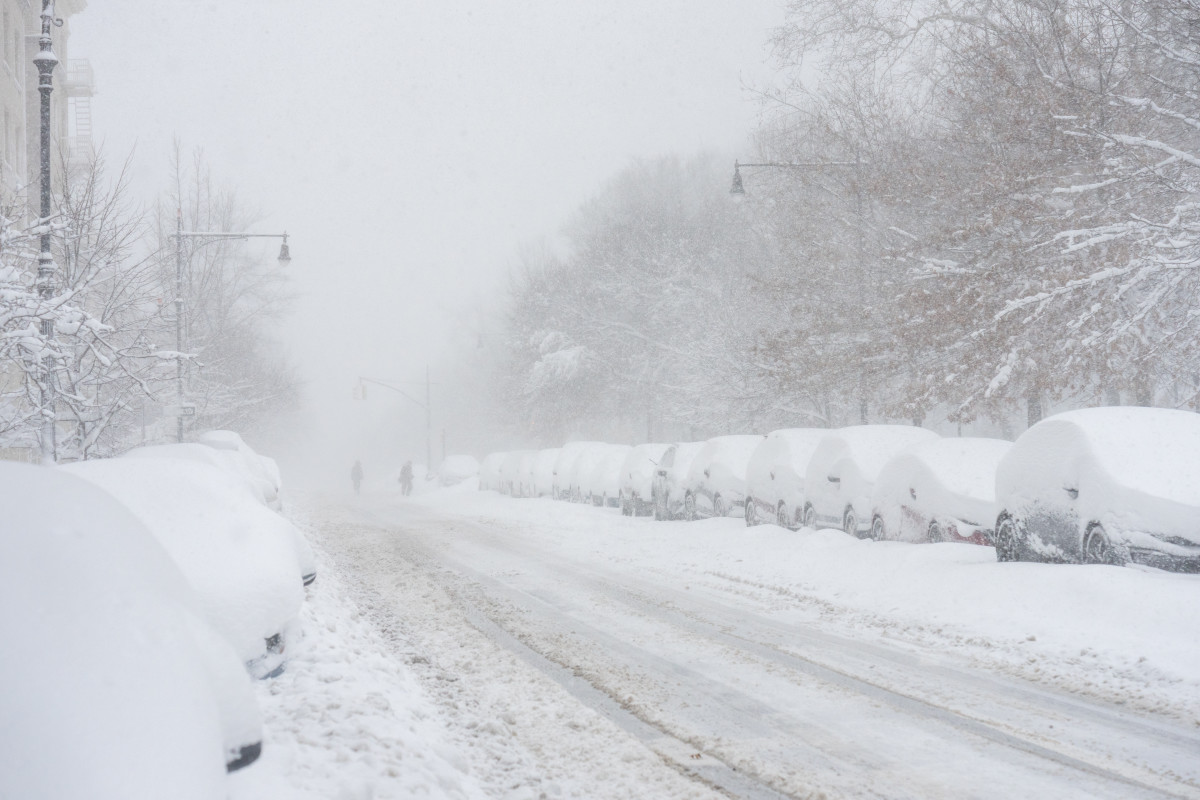
- Treacherous Travel Conditions: Perhaps the most immediate and widespread risk is to transportation. Heavy snow, especially when combined with strong winds, drastically reduces visibility, often to less than one-quarter mile, creating dangerous whiteout conditions. Roads become slick, making driving extremely hazardous or even impossible. This leads to widespread travel disruptions, including road closures, significant delays for public transport services, and the potential for vehicles to become stranded. Local authorities often advise against all non-essential travel during these warnings, as seen in advisories to "delay all travel."
- Power Outages: The sheer weight of heavy, wet snow on power lines, coupled with potential high winds and freezing temperatures, can lead to widespread power outages. Utility poles can snap, and lines can sag or break, plunging communities into darkness and without heat, especially problematic during extended cold snaps. Furthermore, icy conditions can impede repair crews, prolonging restoration times.
- Structural Stress and Collapse: Accumulations of deep, heavy snow can place immense stress on roofs and other structures. Flat roofs are particularly vulnerable, and poorly constructed or older buildings can be at risk of structural collapse. This is a critical, though less common, risk that emphasizes the need for awareness and, in some cases, professional assessment for snow removal from roofs.
- Isolation and Emergency Access: In rural or remote areas, heavy snowfall can quickly lead to isolation as roads become impassable. This can hinder access for emergency services, potentially delaying critical medical or rescue operations. Ensuring you have essential supplies on hand is paramount in such scenarios.
- Cold-Related Health Risks: Alongside the snow itself, the plummeting temperatures that accompany heavy snowfall pose significant health risks. Prolonged exposure to sub-freezing temperatures can lead to hypothermia and frostbite. Power outages exacerbate this risk, as heating systems may fail, making it vital to have alternative heating plans and warm clothing.
Global Alerts: How Different Nations Issue Warnings
While the threat of heavy snow is universal across many parts of the globe, the mechanisms for alerting the public are tailored to each nation's meteorological capabilities, infrastructure, and cultural context. Understanding these differences highlights a global commitment to public safety.
As mentioned, the National Weather Service (NWS) in the United States uses a tiered alert system, with Heavy Snow Warnings serving as a primary hazardous weather statement. Their system is highly localized, allowing for specific criteria to be set for different counties and terrains, reflecting the vast geographical diversity of the country. The NWS leverages a robust network of radar, satellites, and ground observations, disseminating information through traditional media, their website, and increasingly, through social media and mobile alerts.
In the United Kingdom, the Met Office utilizes a color-coded warning system (Yellow, Amber, Red). An Amber alert, often issued for heavy snow as it was for parts of Scotland and Northern England, signifies a "potential for significant impacts," urging people to prepare for disruption and take appropriate action. This system is designed to convey both the likelihood and the impact of the weather event, guiding public response from awareness to critical action. The specific mention of 20cm accumulations on higher ground for Amber alerts provides a clear benchmark for severe conditions.
Environment Canada's snowfall warnings, with their 15 cm in 12 hours criteria, underscore a pragmatic approach to conditions often experienced across large swathes of the country's diverse climate zones. Their warnings are crucial for citizens navigating Canada's often harsh winters, especially in provinces accustomed to significant annual snowfall.
Beyond these, numerous other meteorological agencies around the world, from Japan's Japan Meteorological Agency (JMA) to various European national services, issue similar alerts tailored to their specific geographies and societal needs. The common thread among all these systems is the fundamental goal of communicating risk effectively and prompting proactive safety measures. These global efforts emphasize that staying informed via local news and official weather reports is your first line of defense against the perils of heavy snow.
Essential Preparation & Safety Measures When a Warning is Issued
Receiving a Heavy Snow Warning should be a trigger for immediate action, not panic. Proactive preparation can significantly mitigate risks and ensure safety and comfort during a snow event. Here are actionable steps to take:
- Stay Informed: This is paramount. Continuously monitor local news, radio, television, and official weather websites or apps from your national weather service (e.g., NWS, Met Office, Environment Canada). Pay attention to specific advisories for your region, as conditions can vary even within a small area.
- Prepare Your Home:
- Stock Essentials: Ensure you have a supply of non-perishable food, bottled water (at least 3 days' worth), essential medications, and pet supplies.
- Power Outage Kit: Assemble an emergency kit with flashlights, extra batteries, a battery-powered or hand-crank radio, and a fully charged power bank for mobile devices. Have blankets and warm clothing readily accessible.
- Heating Alternatives: If you have a fireplace or wood stove, ensure you have sufficient fuel. Use generators safely outdoors and away from windows.
- Insulate: Seal drafts around windows and doors, and consider insulating exposed pipes to prevent freezing.
- Clear Pathways: Before the snow arrives, clear gutters and ensure pathways to emergency exits are unobstructed.
- Plan for Travel:
- Avoid Unnecessary Travel: Heed advisories to delay or avoid travel. If you must travel, ensure your vehicle is winterized (good tires, full tank of gas, emergency kit).
- Emergency Car Kit: Include blankets, a shovel, sand/salt/cat litter for traction, jumper cables, a first-aid kit, food, water, and a fully charged phone.
- Check Conditions: Before heading out, check road conditions and public transport schedules. Be aware that services may be suspended or heavily disrupted.
- Communication Plan: Inform family and friends of your whereabouts and plans. Have a designated emergency contact outside your immediate area. Ensure mobile phones are fully charged.
- Community Awareness: Check on elderly neighbors or those with medical conditions who might need assistance. Offer help where safe and possible.
For more detailed guidance on how to secure your home and stay safe during extreme winter weather, consult our comprehensive resource: Heavy Snow Warning Safety Guide: Prepare for Power & Travel Risks.
Conclusion
A Heavy Snow Warning is a critical piece of information designed to protect us from the potentially severe impacts of winter's fury. By understanding the criteria that trigger these warnings, acknowledging the significant risks they entail—from perilous travel to potential power outages and structural damage—and learning how different nations alert their citizens, we empower ourselves to respond effectively. The ultimate goal is not to fear the snow, but to respect its power and prepare accordingly. Heed the warnings, take proactive steps, and prioritize safety for yourself and your community. Staying informed and prepared is your best defense against the challenges that heavy snowfall can bring.