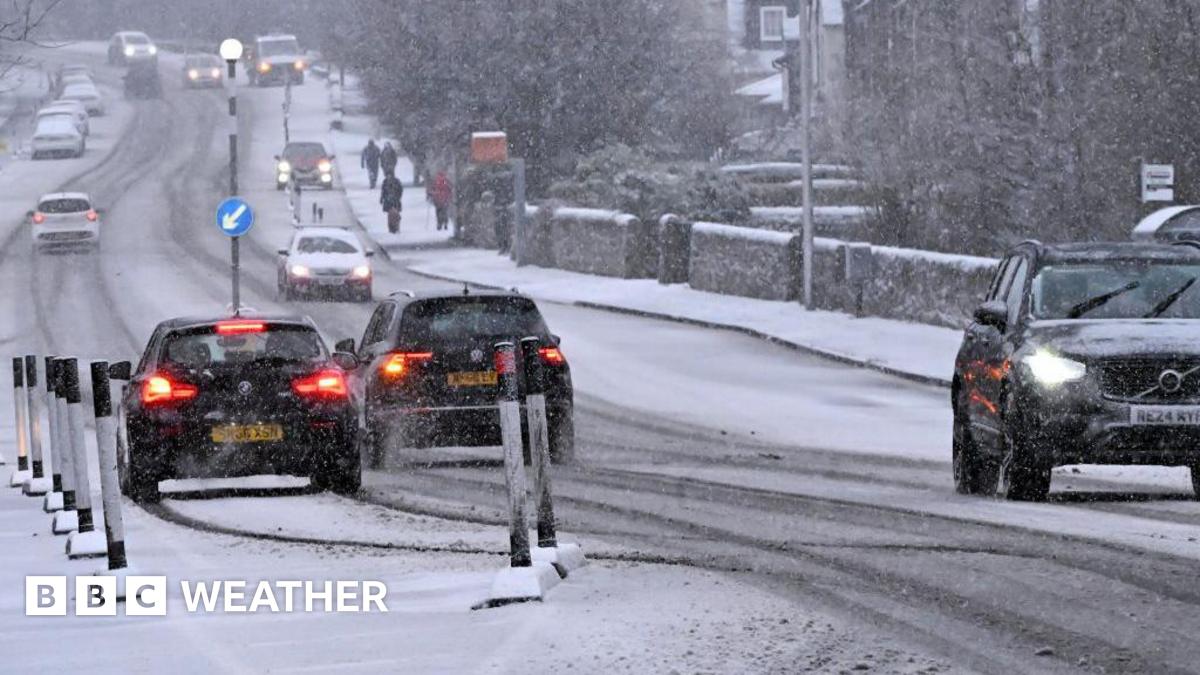
The United Kingdom is bracing for a significant period of winter weather, as the Met Office has issued an Amber Heavy Snow Warning for several regions, signaling potential widespread disruption and hazardous conditions. With forecasters predicting substantial snowfall over the coming 48 hours, particularly in Scotland and parts of northern England, residents are urged to prepare for severe impacts on travel, power, and daily life. This isn't just a dusting; authorities are gearing up for conditions that could significantly challenge infrastructure and put public safety at risk.
Met Office Amber Alert: Understanding the UK's Heavy Snow Warning
When the Met Office elevates a weather alert to an Amber warning, it's a clear signal that significant impacts are expected, and there's a heightened risk of disruption, property damage, and even danger to life. For this specific event, the Amber alert is primarily focused on higher ground in Scotland and northern England, regions historically more susceptible to heavy winter precipitation. While some initial reports or global benchmarks might allude to much higher accumulations, such as up to 30 inches (75cm) in other severe events, the Met Office's immediate forecast for the UK points to accumulations of up to 20cm (approximately 8 inches) on higher ground, with lower lying areas also set to see significant snowfall.
A heavy snow warning, whether issued by the Met Office in the UK or other national weather services globally, serves as a crucial alert. It signifies that snowfall accumulations are expected to meet or exceed specific local criteria, which typically range from 10 to 30 cm (4 to 12 inches) over a 48-hour period, a threshold often updated to focus on total event snowfall rather than strict hourly rates. For a deeper dive into how these warnings are categorised and what they signify internationally, you might find our article on Understanding Heavy Snow Warnings: Criteria, Risks & Global Alerts particularly informative.
The primary purpose of such an alert is to empower the public to take proactive safety measures. "We urge residents in affected areas to prepare for severe weather conditions. Ensure you have essential supplies and avoid unnecessary travel," stated a Met Office spokesperson, encapsulating the urgency of the situation. This cold snap isn't expected to be fleeting, with temperatures forecast to remain below freezing in many areas until the weekend, prolonging the potential for ice and ongoing disruptions.
Forecasting the Flakes: Expected Accumulations and Duration of the Cold Snap
The heart of this heavy snow warning lies in the anticipated snowfall amounts and the persistent cold. While the highest accumulations of up to 20cm are predicted for elevated areas, even lower altitudes across the warned regions should brace for several centimetres of snow, capable of causing considerable disruption. The combination of falling snow and sub-zero temperatures will lead to widespread icy conditions, exacerbating the risks on roads and pavements.
Beyond the immediate snowfall, the extended duration of this cold snap is a critical factor. With temperatures holding below freezing until the weekend, any accumulated snow will be slow to melt, leading to prolonged hazardous conditions. This not only impacts travel but also increases the risk of frozen pipes, burst water mains, and prolonged power outages as infrastructure remains under strain. The Met Office's emphasis on a sustained period of cold underscores the need for continuous vigilance and preparedness, rather than just reacting to the initial snowfall.
The wind factor also plays a crucial role. Even moderate winds can cause significant snowdrifts, reducing visibility to near whiteout conditions, especially on exposed roads and moorlands. This phenomenon can make previously cleared routes impassable within minutes, posing serious risks to motorists and pedestrians alike. Understanding these dynamics is essential for assessing personal risk and planning accordingly.
Navigating the Disruption: Travel, Power & Safety Advice
The impact of a heavy snow warning is often most acutely felt in the realm of transportation and essential services. Authorities are already preparing for potential road closures, and motorists are advised to exercise extreme caution, or better yet, avoid non-essential travel altogether. Public transport services, including buses and trains, are highly likely to face significant delays, cancellations, and alterations to routes. Airports in affected regions could also see disruptions, urging travellers to check with their airlines before heading out.
Essential Travel Precautions
- Delay All Travel: The safest advice is to avoid travel unless absolutely necessary.
- Check Before You Go: Consult local news, travel apps, and the Met Office website for the latest updates on road conditions and public transport services.
- Prepare Your Vehicle: If travel is unavoidable, ensure your car is fully fuelled, check tyres, lights, and windscreen wipers. Carry an emergency kit including blankets, food, water, a fully charged mobile phone, a shovel, and jump leads.
- Allow Extra Time: Journeys will inevitably take longer, so factor in significant delays.
- Drive Cautiously: Maintain extra distance from the vehicle in front, avoid sudden braking or accelerating, and be aware of black ice.
Preparing for Potential Power Outages
Heavy snow, especially when combined with strong winds or freezing rain, can put significant stress on power lines, leading to outages. Local authorities and utility companies are already on standby, but residents should also take their own precautions:
- Charge Devices: Ensure mobile phones, laptops, and power banks are fully charged.
- Emergency Kit: Have torches with spare batteries (avoid candles where possible due to fire risk), a battery-powered radio, and a supply of bottled water.
- Food & Drink: Stock up on non-perishable food items and have a way to heat food without electricity (e.g., a gas hob if safe, or a camping stove used outdoors).
- Warmth: Have extra blankets, sleeping bags, and warm clothing readily available. Understand how to safely turn off your gas and electricity supply if advised.
- Medical Needs: Ensure you have a supply of any essential medications.
For more detailed guidance on how to secure your home and stay safe, our Heavy Snow Warning Safety Guide: Prepare for Power & Travel Risks provides comprehensive advice.
Your Heavy Snow Checklist: Practical Steps for Preparedness
Proactive preparation is your best defence against the challenges posed by a heavy snow warning. Taking these steps now can significantly mitigate risks and ensure comfort during the cold snap.
At Home: Securing Your Sanctuary
- Stock Essentials: Ensure you have at least three days' supply of food, water, and any necessary medications. Don't forget pet food if you have animals.
- Heating & Insulation: Check your heating system is working efficiently. Close curtains and blinds to help retain heat. Insulate exposed pipes to prevent freezing and bursting.
- Clear Pathways: If safe to do so, clear snow from your driveway and pathways to prevent slips and falls. Have rock salt or grit ready.
- Neighbourhood Watch: Check on vulnerable neighbours, especially the elderly or those living alone, to ensure they are safe and prepared.
Staying Connected & Informed
During periods of severe weather, information is power. Reliable updates can help you make critical decisions about travel and safety.
- Monitor Met Office: Keep a close eye on the latest Met Office forecasts and warnings.
- Local News: Tune into local radio and TV for region-specific updates, school closures, and emergency service advice.
- Social Media: Follow official accounts from the Met Office, local councils, and travel operators for real-time information.
- Emergency Contacts: Keep a list of emergency contact numbers handy, including your utility providers.
Conclusion
The Met Office's Amber Heavy Snow Warning for parts of the UK is a serious alert, demanding careful attention and preparedness from residents. With significant snowfall and freezing temperatures expected to persist into the weekend, the potential for travel disruption, power outages, and other hazards is high. By understanding the implications of this warning, taking proactive steps to secure your home and supplies, and staying continually informed through official channels, you can significantly enhance your safety and resilience during this challenging winter period. Remember, avoiding unnecessary travel and checking on those most vulnerable are not just recommendations but vital contributions to community safety.